
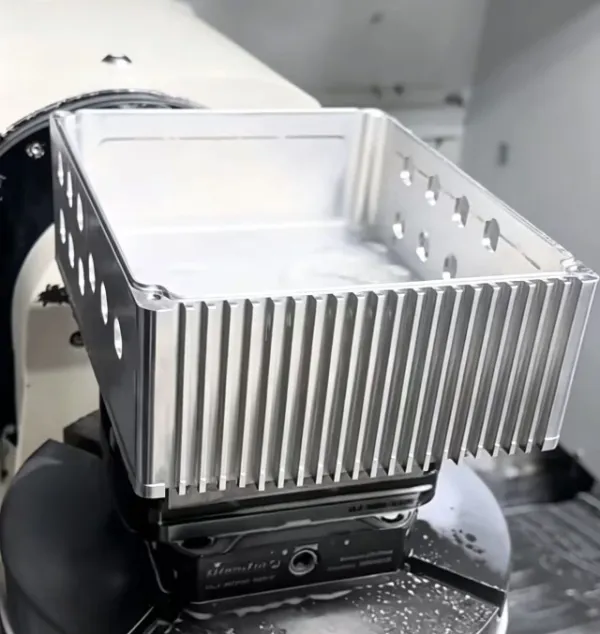
Housings & Enclosures
Parts with pockets, walls, bosses, threaded holes, mating surfaces and features across multiple faces.
- Deep pockets and cavities
- Mounting and locating features
- Mating and sealing surfaces where required
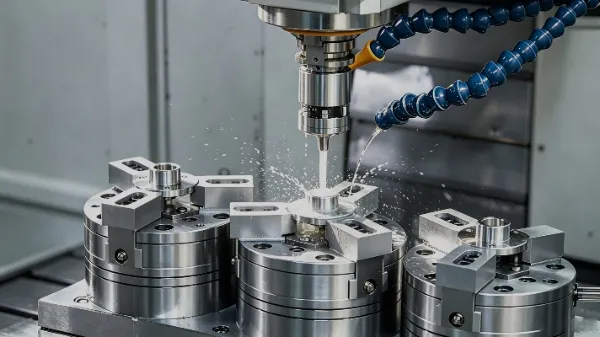
Custom CNC Milling
Drawing-based CNC milling for custom metal and engineering plastic components, from development parts to repeat production. YCS supports multi-axis machining, manufacturing review, dimensional inspection and project-specific tolerance control.
CNC Milling at YCS
CNC milling is not simply a matter of removing material from a block. The practical manufacturing route depends on tool access, wall rigidity, feature depth, setup count, datum relationships, material behavior and inspection requirements.
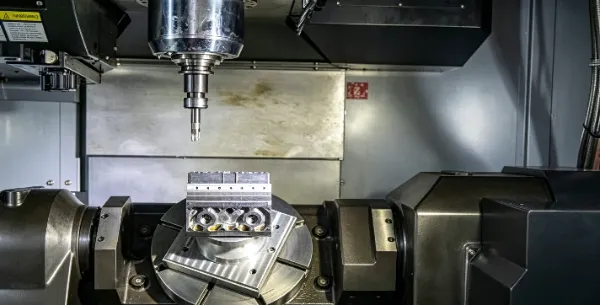
YCS provides CNC milling for custom precision parts in aluminum, stainless steel, titanium, POM and PEEK. The machining route is selected around the actual drawing rather than forcing every part into the same process. Conventional milling, multi-axis strategies and 5-axis capability can be considered where they improve access or reduce unnecessary setups.
Part Types
Milling is well suited to many prismatic, pocketed and multi-face components. The final process depends on the complete feature set rather than the outside shape alone.
Parts with pockets, walls, bosses, threaded holes, mating surfaces and features across multiple faces.
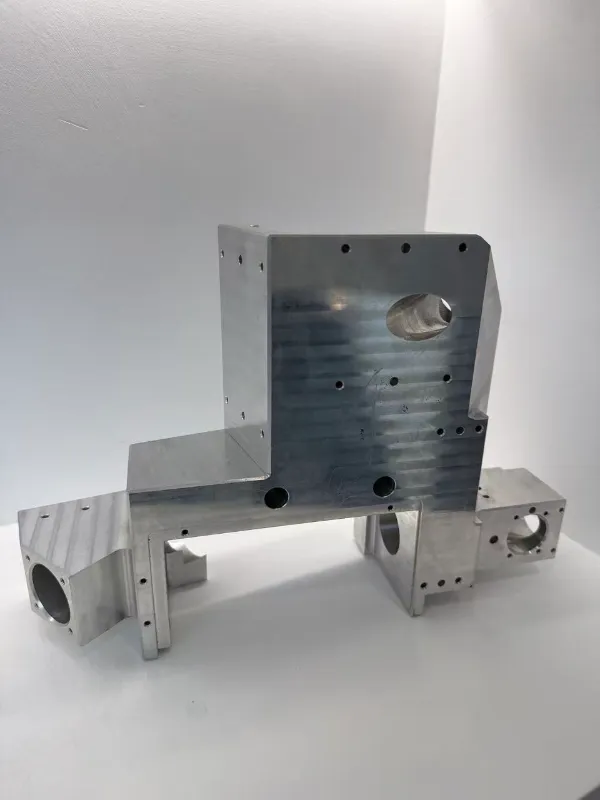
Components where hole position, flatness, profiles, slots and interface geometry must work together in assembly.
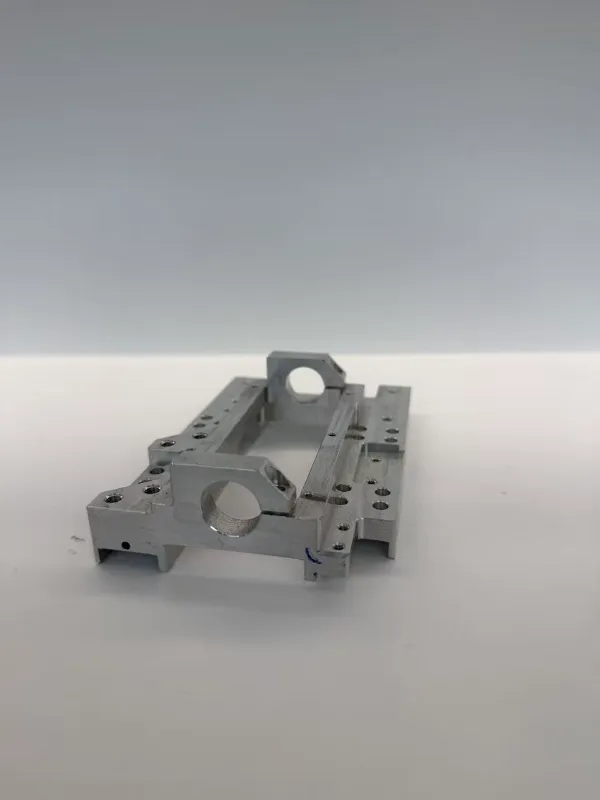
Parts with several machining orientations, critical feature relationships, angled geometry or demanding tool-access conditions.
3-Axis & Multi-Axis
More axes do not automatically make a part better, faster or more accurate. The right process is the one that gives the required tool access, feature relationships and production stability with a practical setup plan.
Materials
Material changes cutting behavior, tooling, heat, workholding and dimensional stability. YCS reviews the specified grade together with the geometry and drawing requirements.
Commonly used for housings, brackets, plates and other machined components where weight, machinability and finishing may matter.
Suitable for applications where strength, durability or corrosion resistance is important, with grade-specific process planning.
Machined with attention to heat, tooling and cutting stability where its strength-to-weight or corrosion properties justify the material.
An engineering thermoplastic that requires different considerations for clamping, heat and dimensional movement than metals.
A high-performance engineering thermoplastic where stable process planning and material utilization can be particularly important.
Design & Tool Access
A feature can be technically machinable and still create unnecessary cost, setup complexity or inspection difficulty. Manufacturing review should focus on the features that drive the route.
| Feature | What We Review | Why It Matters |
|---|---|---|
| Deep pockets | Tool reach, corner radius, chip evacuation and remaining wall rigidity | Long-reach tools and deep cavities can affect stability and cycle time |
| Thin walls | Wall height, support, workholding, material removal and tolerance | Flexible walls can deflect during machining or clamping |
| Internal corners | Required radius relative to pocket depth and tool access | Very small radii may require smaller, less rigid cutters |
| Holes & threads | Depth, access, blind-hole space, edge distance and inspection | Deep or obstructed features may require a different approach |
| Multi-face features | Setup count, datum transfer, orientation and feature relationships | Process planning affects both efficiency and dimensional relationships |
| Critical tolerances | Feature geometry, material, rigidity, process and inspection method | Tolerance capability must be evaluated on the actual feature |
Tolerance & Inspection
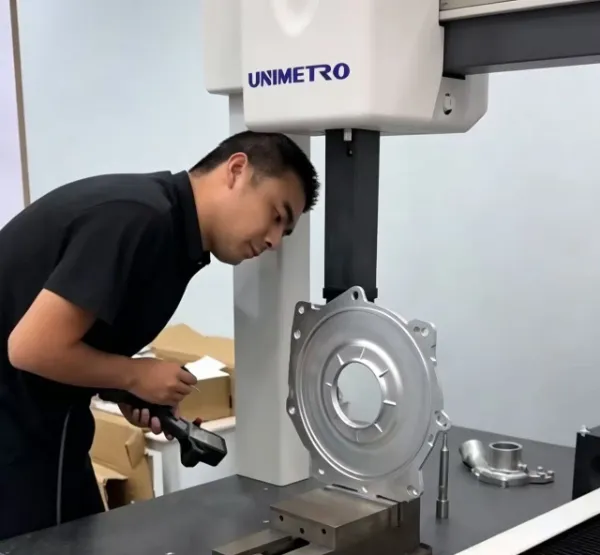
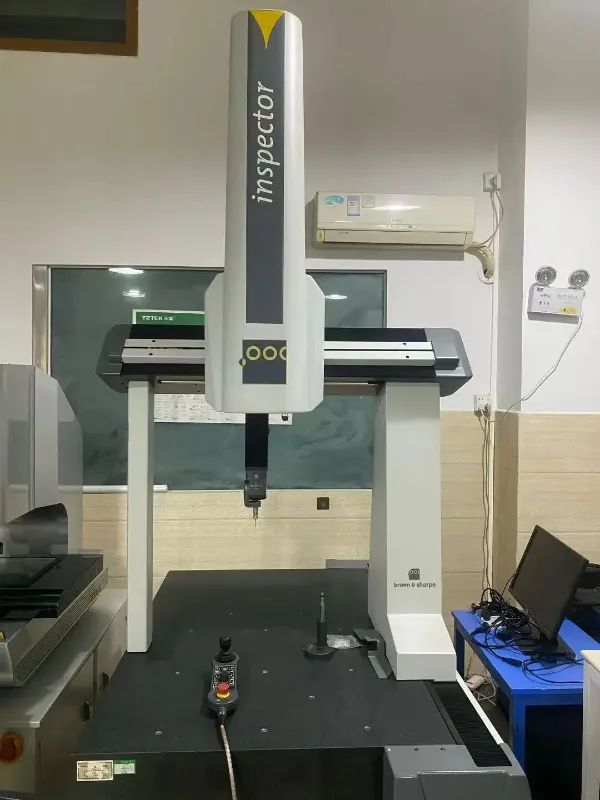
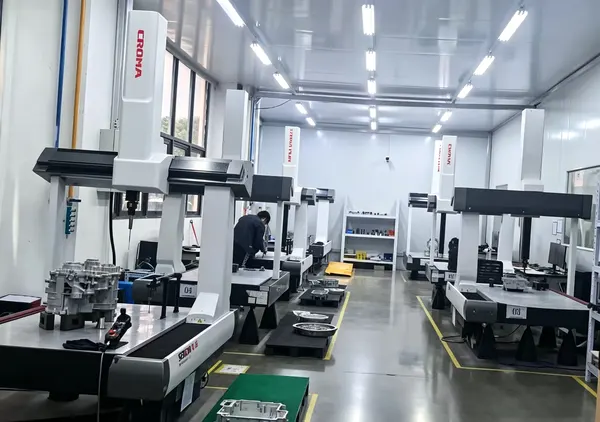
CNC milling quality should be evaluated against the drawing, not a single tolerance number published on a website. Critical bores, hole positions, mating surfaces, flatness, profile or GD&T requirements may each need a different process and inspection method.
For suitable features and projects, YCS can support tolerances as tight as ±0.005 mm, depending on part geometry, material, machining process and inspection requirements. This is a project-specific capability and should not be interpreted as the default tolerance for every dimension.
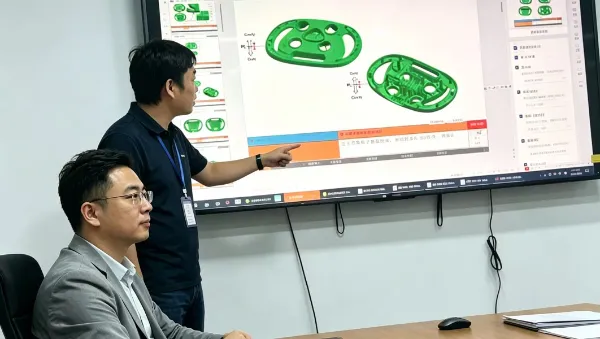
Engineering Review
Useful DFM feedback should explain the manufacturing reason behind a concern. The goal is not to redesign every difficult feature. It is to identify geometry that affects tool access, rigidity, setups, tolerance control, finishing or inspection before those issues become production problems.
Production Workflow
The exact route changes by part, but a controlled CNC milling project typically moves through a defined sequence of technical review, process planning, machining and inspection.
Confirm revision, material, quantity, tolerances, finishing and inspection requirements.
Select machining orientations, workholding, tooling and setup strategy around the geometry.
Produce the required geometry using the appropriate milling route and project-specific controls.
Measure critical features using methods appropriate to the drawing and tolerance requirements.
For recurring orders, maintain revision control and a repeatable manufacturing and inspection route.
Applications
CNC milling is especially useful where a custom part combines controlled faces, pockets, holes, profiles or multi-side features. The process should always be matched to the drawing rather than the industry label alone.
Brackets, plates, fixtures, tooling components and other parts where geometry, mounting patterns and interfaces must be controlled.
Machined housings, covers and enclosure-type components with pockets, bosses, threaded features and mating surfaces.
Components with several orientations, angled features or difficult tool access where multi-axis machining may simplify the process route.
Why YCS
The useful question is not whether a supplier owns a milling machine. It is whether the supplier can understand the drawing, select a practical route, control the required features and explain the assumptions behind the quotation.
Manufacturing questions are tied to the actual drawing, geometry, datum strategy, tolerances and inspection requirements.
3-axis, multiple setups or multi-axis capability are evaluated according to access and manufacturing efficiency rather than marketing labels.
Inspection is considered with machining so critical features can be produced and verified against the controlled drawing.
Request a Manufacturing Review
A complete technical package helps YCS review manufacturability and quotation scope with fewer assumptions.
Where available, include the current CAD model and controlled engineering drawing together with the requirements that affect machining and acceptance.
FAQ
Custom CNC Milling
Send your CAD model, engineering drawing, material, quantity, tolerance, finishing and inspection requirements to YCS for a project-specific manufacturing review.