
YCS Machining

HIGH-VOLUME CNC MACHINING

High-Volume CNC Machining for Repeat Production Parts

YCS supports repeat-production CNC machining for custom metal components with process planning, fixture strategy, dimensional inspection, production coordination, and packaging requirements managed around approved drawings.

Repeat Production
Stable Process Planning
CNC + EDM
Multiple Process Support
CMM + Optical
Dimensional Inspection
Batch Control
Drawing & Revision Coordination

QUICK ANSWER

What Is High-Volume CNC Machining?

High-volume CNC machining is repeat production of the same or closely controlled part revision using planned machining routes, fixtures, inspection methods, and production scheduling. The objective is not simply to run more pieces, but to keep process control and dimensional consistency stable across repeated batches.

PRODUCTION PLANNING

What Changes When a CNC Part Moves Into Repeat Production?

A prototype proves manufacturability. Repeat production requires a more controlled plan for setup, tooling, inspection, revision handling, packaging, and release scheduling.

YCS production engineering team coordinating CNC machining and drawing requirements

Controlled Drawing Review

Production begins from the approved drawing revision, material, finishing notes, inspection points, and quantity requirements.
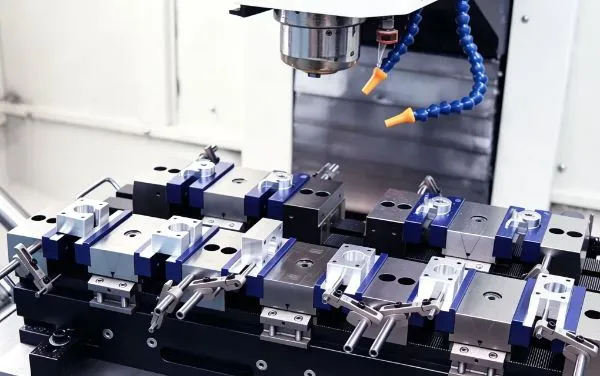
Multi-part CNC production fixture for repeat machining of custom components

Fixture & Setup Strategy

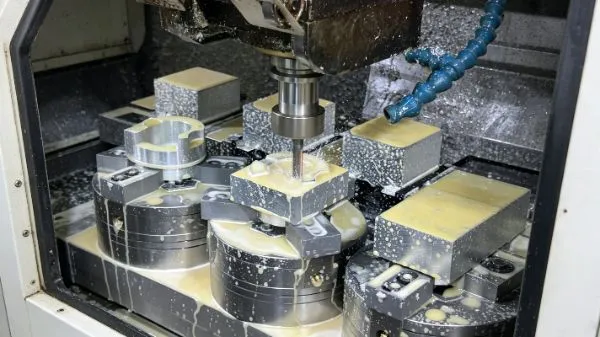
Repeatability depends on how the part is located, clamped, referenced, and moved between machining operations.
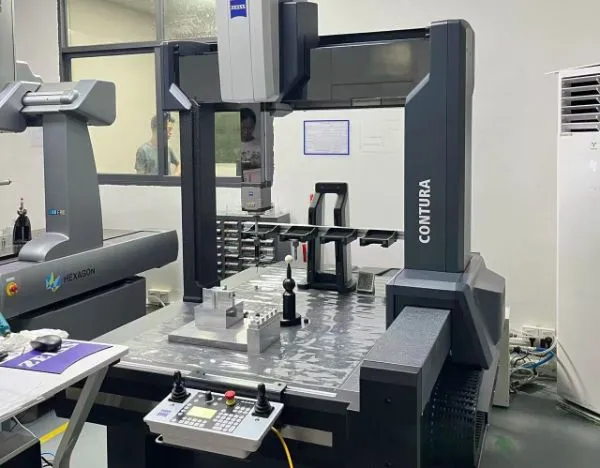
CMM inspection equipment used for repeat-production CNC part verification

Inspection Planning

Critical dimensions, measurement methods, inspection frequency, and required records should be defined before production begins.

PROCESS CONSISTENCY

Build Repeatability Into the Manufacturing Route

Stable production requires more than machine capacity. Process decisions should reduce unnecessary variation between setups and production releases.
  • Approved drawing revision and critical features clearly identified
  • Repeatable workholding and datum strategy
  • Tooling and machining sequence planned for the part
  • Inspection methods matched to critical dimensions
  • Finishing, packaging, and delivery requirements coordinated with production
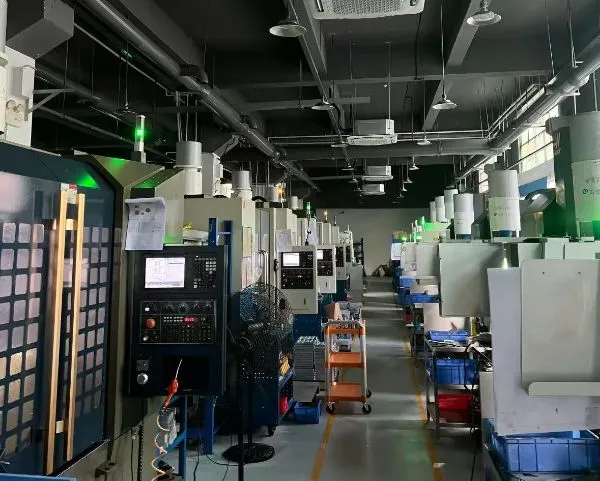
Batch CNC milling process with multiple workpieces for repeat production

PRODUCTION CONTROL

Key Factors We Review Before Repeat Production

Production FactorWhat We ReviewWhy It Matters
Drawing RevisionCurrent approved 2D/3D files and revision statusPrevents obsolete dimensions or notes from entering production.
Quantity & Release PlanRequired quantity, delivery destination, and release scheduleInfluences machine planning, fixtures, material preparation, and packaging.
Critical DimensionsDatums, fits, positions, profiles, and customer-defined key featuresDetermines process control and inspection planning.
FinishingSurface finish, coating, plating, heat treatment, or other specified secondary operationsSecondary processing can affect dimensions, appearance, and delivery planning.
Inspection ScopeMeasurement methods, reports, and project-specific documentationDefines how production conformity is verified.
PackagingSurface protection, separation, batch organization, and shipping methodProtects finished components after machining and inspection.
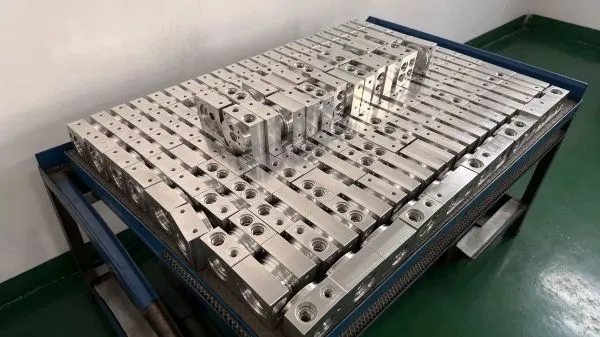
Batch of repeat-production CNC machined metal components

BATCH PRODUCTION EVIDENCE

Repeat Parts Require Stable Process Control

High-volume machining is not only about quantity. The manufacturing route should keep part geometry, drawing revision, inspection requirements, and handling consistent across repeated production releases.

  • Repeatable setup and workholding strategy
  • Controlled drawing revision throughout production
  • Batch-oriented inspection planning
  • Part identification and organized handling
  • Packaging matched to quantity and surface requirements

BATCH INSPECTION

Inspection Planning for Repeat-Production Parts

Inspection should be planned around drawing requirements and production risk. The exact inspection scope depends on feature criticality, geometry, tolerance, process stability, and customer requirements.
  • Drawing-based first-part verification where required
  • In-process checks for selected critical features
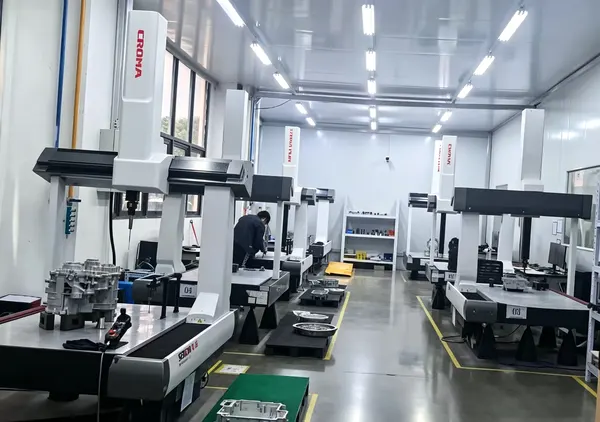
  • Coordinate measurement for suitable 3D geometry
  • Optical measurement for suitable profiles and smaller features
  • Inspection documentation prepared according to project requirements
CNC quality inspection room with dimensional measurement equipment

WORKFLOW

High-Volume CNC Machining Workflow

STEP 01

Drawing Review

Confirm revision, quantity, material, tolerances, finishing, and inspection requirements.

STEP 02

Process Planning

Define machining route, tooling, workholding, and production sequence.

STEP 03

First Production Check

Verify the production setup and critical dimensions according to project requirements.

STEP 04

Repeat Machining

Run production using the approved process route and controlled drawing revision.

STEP 05

Inspection

Perform agreed in-process and final dimensional checks.

STEP 06

Packaging & Delivery

Protect, organize, and prepare the finished parts for the agreed shipment plan.

PACKAGING & DELIVERY

Protect Finished Parts Through Batch Handling and Shipping

Repeat production often requires organized packaging by part number, batch, release, or customer handling requirement. Packaging is reviewed together with surface condition and transport method.
  • Protection for machined or finished surfaces where required
  • Organized packing by part number or production release
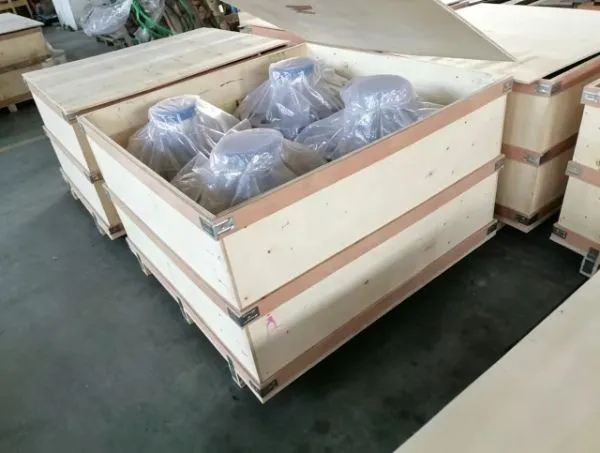
  • Cartons, trays, separators, or wooden cases selected by project need
  • Destination and delivery requirements reviewed before shipment
Protective wooden case packaging for repeat-production CNC machined parts

FAQ

Frequently Asked Questions About High-Volume CNC Machining

What qualifies as high-volume CNC machining?
There is no universal quantity threshold. The production strategy depends on part geometry, setup effort, cycle time, inspection scope, delivery schedule, and repeat-order requirements. Send the drawing and quantity so the production route can be reviewed.
Can YCS support repeat orders from an approved drawing?
Yes. Repeat-production projects can be planned around the approved drawing revision, process route, inspection requirements, finishing, packaging, and release schedule.
How do you maintain consistency across production batches?
Consistency is supported through controlled drawings, repeatable setup and fixture planning, defined machining routes, inspection of critical features, and coordination of finishing and packaging requirements.
Can inspection reports be provided for production orders?
Inspection documentation can be prepared according to customer and project requirements. The required format and inspection scope should be specified before production.
What information should I send for a production machining quote?
Send the 2D or 3D drawing together with material, total quantity, release schedule if applicable, critical tolerances, surface finish, inspection requirements, packaging needs, and delivery destination.

START YOUR PRODUCTION PROJECT

Send Your Drawing and Production Requirements

Share your drawing, material, quantity, critical dimensions, finish, inspection scope, packaging, and release requirements.

01
Production ReviewConfirm drawing revision, quantity, process route, and release requirements.
02
Inspection PlanningCritical dimensions and documentation requirements are reviewed before production.
03
Confidential Project SupportNDA available on request before confidential files are shared.

PRODUCTION RFQ

Tell Us About Your Production Part

Include quantity and repeat-order requirements so the production plan can be reviewed correctly.

NDA available on request before sharing confidential project files.