
YCS Machining

5-AXIS CNC MACHINING SERVICES

5-Axis CNC Machining for Complex Custom Metal Parts

YCS provides 5-axis CNC machining for complex multi-face components, angled features, thin-wall housings, brackets, and custom parts that benefit from fewer setups and improved positional consistency.

5-Axis CNC
Complex Geometry Machining
±0.005 mm
Tight-Tolerance Capability
Multi-Face
Fewer Setup Changes
CMM + Optical
Dimensional Inspection

QUICK ANSWER

What Is 5-Axis CNC Machining?

5-axis CNC machining controls cutting motion across three linear axes while positioning the workpiece or tool through two additional rotary axes. This allows complex surfaces and features on multiple sides of a part to be machined with fewer setups than conventional 3-axis machining.

WHEN TO USE 5-AXIS

Parts That Benefit From 5-Axis CNC Machining

5-axis machining is most useful when geometry, access, positional relationships, or setup reduction matter more than simply adding another operation.

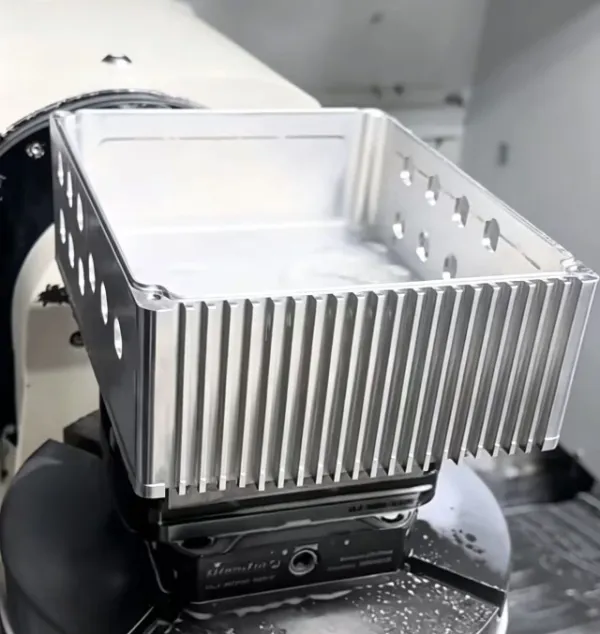
Complex CNC machined housing with multi-face features

Complex Housings

Deep cavities, side features, angled holes, and multi-face details can benefit from fewer repositioning steps.
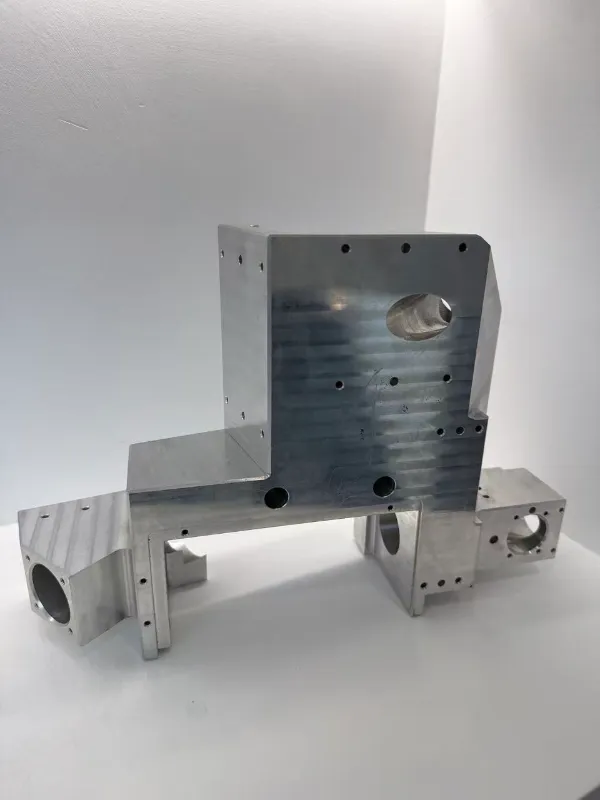
Precision CNC machined bracket with angled features

Precision Brackets

Angled faces, mounting interfaces, and multiple datum relationships may be machined with improved setup control.
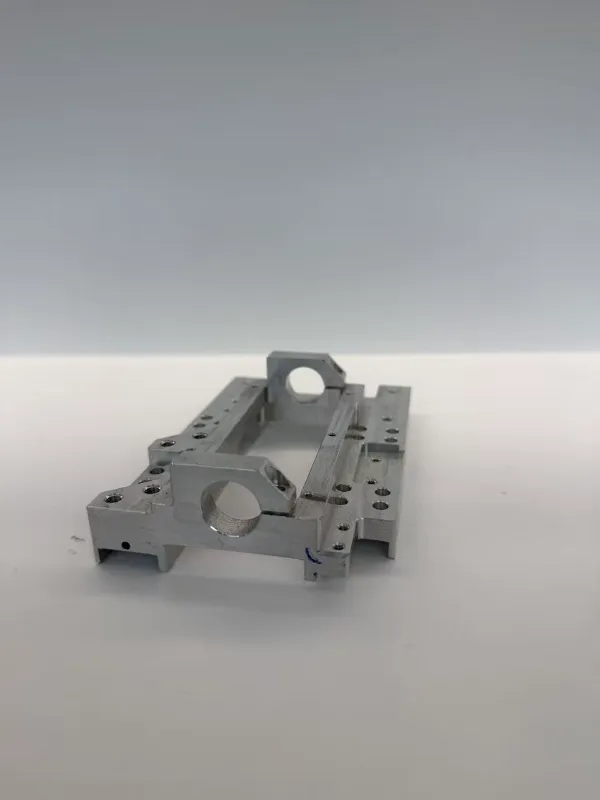
Complex custom CNC machined part

Complex Custom Parts

Freeform surfaces, multi-angle features, and difficult tool access are common reasons to evaluate a 5-axis route.

3-AXIS VS 5-AXIS

When 5-Axis Is a Better Fit Than Conventional Machining

Not every part needs 5-axis machining. The best process depends on geometry, setup count, feature access, tolerance relationships, and production quantity.
  • Multiple angled or side features on one component
  • Features that are difficult to reach with standard tool orientation
  • Datum relationships that benefit from fewer re-clamping steps
  • Complex surfaces or multi-face geometry
  • Parts where setup reduction can improve consistency
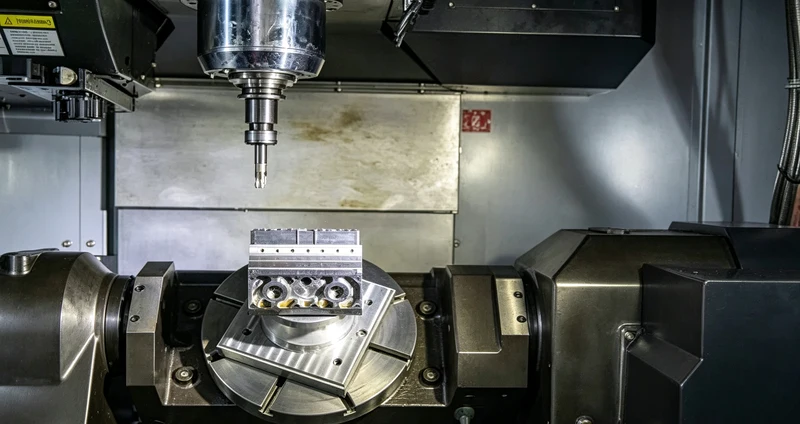
5-axis CNC machining setup with rotary table for a complex custom metal part

PROCESS SELECTION

5-Axis Machining Decision Factors

FactorWhat We ReviewWhy It Matters
Part GeometryAngles, cavities, multi-face features, surface accessDetermines whether 5-axis reduces setups or improves tool access.
Tolerance RelationshipsCritical datums and positional requirementsFewer re-clamping steps may help preserve feature relationships.
MaterialSpecified grade and machining behaviorMaterial affects tooling, cutting strategy, heat, and stability.
QuantityPrototype, low volume, or repeat productionSetup strategy and fixture planning change with production volume.
Inspection ScopeCritical dimensions and measurement accessInspection planning should be defined before machining begins.

ENGINEERING REVIEW & DFM

Confirm the Machining Route Before Cutting Metal

The engineering review checks whether 5-axis is actually justified by the part, instead of using it only as a marketing label.
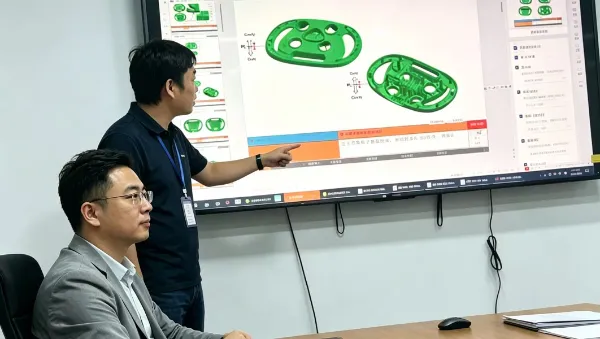
  • 2D and 3D drawing review
  • Critical datums and tolerance relationships
  • Tool access and setup strategy
  • Thin-wall and deformation considerations
  • Inspection method and feature accessibility
YCS engineers reviewing CNC machining drawings and CAD models

WORKFLOW

How a 5-Axis CNC Project Moves Through Production

STEP 01

Drawing Review

Review geometry, material, quantity, critical dimensions, and finish requirements.

STEP 02

Process Planning

Decide whether 5-axis machining provides a real manufacturing advantage.

STEP 03

Setup & Machining

Prepare fixtures, tooling, orientation, and machining sequence.

STEP 04

Inspection

Check critical features using suitable coordinate or optical measurement methods.

STEP 05

Finishing & Delivery

Complete approved secondary processes, documentation, and packaging requirements.

QUALITY & INSPECTION

Inspect Complex Features Against the Drawing

Complex machining only adds value when the finished part can be verified. Inspection planning follows the critical dimensions and geometry defined on the drawing.
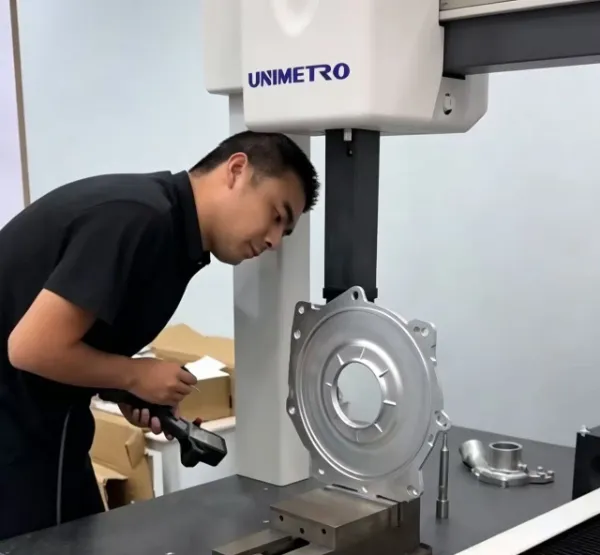
  • Coordinate measurement for suitable 3D features
  • Optical measurement for suitable profiles and smaller features
  • Critical dimensions identified before production
  • Inspection records prepared according to project requirements
YCS inspector checking a CNC machined component with measurement equipment

FAQ

Frequently Asked Questions About 5-Axis CNC Machining

What types of parts are suitable for 5-axis CNC machining?
Parts with multiple angled faces, difficult tool access, complex surfaces, multi-face features, or critical positional relationships may benefit from 5-axis machining.
Is 5-axis machining always better than 3-axis machining?
No. Simpler parts may be more efficiently produced with conventional milling or turning. The process should be selected from geometry, tolerance relationships, setup count, quantity, and inspection requirements.
Can YCS machine prototypes with 5-axis CNC?
Prototype and repeat-production projects can be reviewed for 5-axis machining when the geometry and process requirements justify it.
What tolerances can YCS achieve on 5-axis parts?
For suitable features and parts, YCS has machining capability down to ±0.005 mm. Actual achievable tolerance depends on material, geometry, feature size, setup, and inspection method.
What files should I send for a 5-axis machining quote?
Send the 3D CAD model and, when available, a 2D drawing with material, quantity, critical tolerances, finish, inspection requirements, and delivery destination.

START YOUR 5-AXIS PROJECT

Send Your Drawing for Engineering Review

Share your CAD model, drawing, material, quantity, critical tolerances, finishing, and inspection requirements.

01
Geometry ReviewConfirm whether 5-axis machining is appropriate for the part.
02
Process PlanningReview setup strategy, tool access, and inspection requirements.
03
Confidential Project SupportNDA available on request before confidential CAD files are shared.

RFQ FORM

Tell Us About Your Part

Send the essential project information first. Detailed requirements can also be included in your drawing.

NDA available on request before sharing confidential CAD files.